- Home
- Catalog
- Recovery & tissue research
- IGF-1 LR3
recombinant protein
IGF-1 LR3
A long-arginine-3 analogue of insulin-like growth factor 1.
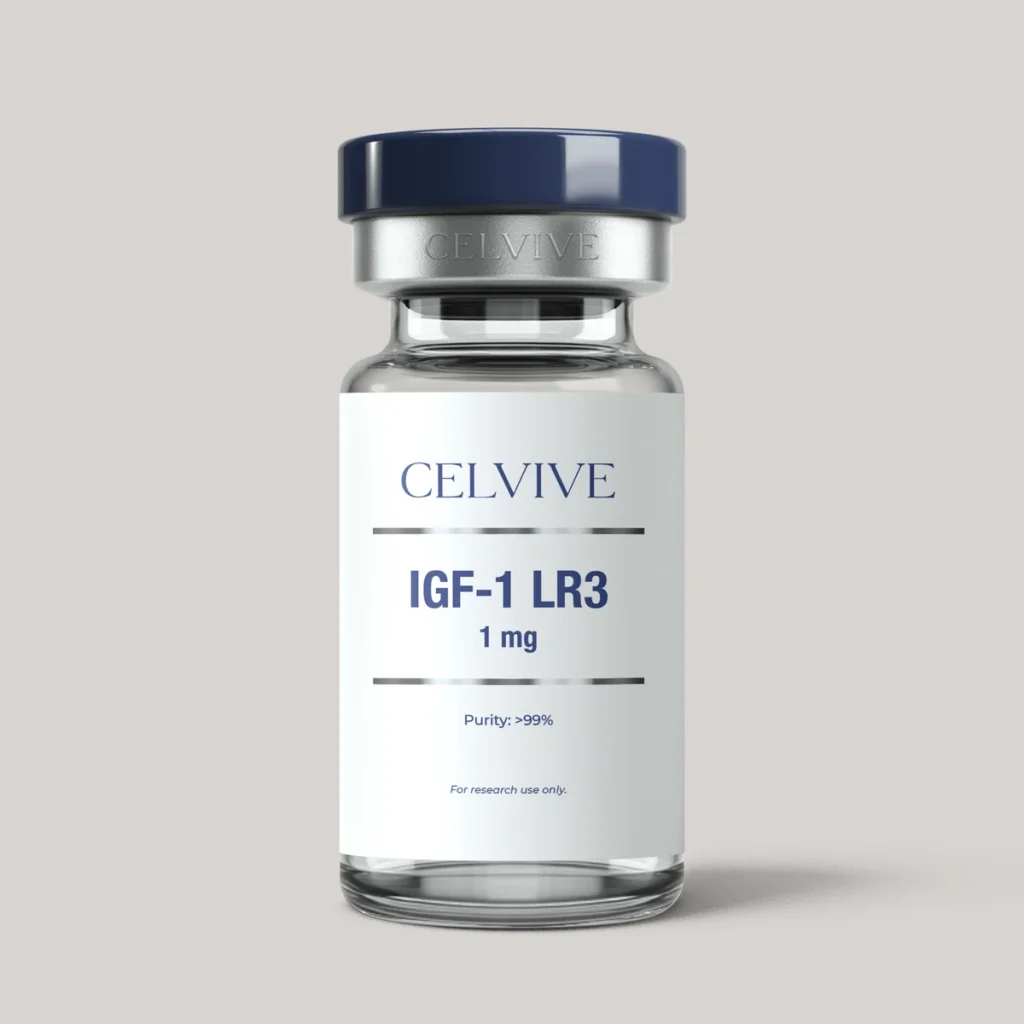
IGF-1 LR3 · 1 mg · Lyophilised vial
recombinant protein
IGF-1 LR3
A long-arginine-3 analogue of insulin-like growth factor 1.
€ 75.00per vial, EUR
In stock
Presentation1 option
What it is
IGF-1 LR3 is a recombinant 83-amino-acid analogue of IGF-1 with an arginine substitution at position 3 and a 13-amino-acid N-terminal extension. The changes reduce binding to IGF-binding proteins, which is why it is used in cell-culture work where sustained IGF-1 receptor activity is wanted.
Where it has been studied
- Cell proliferation and survival assays
- Muscle cell and myotube cultures
- IGF-1 receptor signalling
Selected literature
- Recombinant expression of IGF-1 and LR3 IGF-1 fused with xylanase in Pichia pastorisLu Z et al. · Appl Microbiol Biotechnol, 2023 · PMID 37261455
- Intranasal long R3 insulin-like growth factor-1 treatment promotes amyloid plaque remodeling in cerebral cortex but fails to preserve cognitive function in male 5XFAD miceEngel MG et al. · J Alzheimers Dis, 2025 · PMID 39610283
- Action of long(R3)-insulin-like growth factor-1 on protein metabolism in beef heifersHill RA et al. · Domest Anim Endocrinol, 1999 · PMID 10370861
PubMed records selected for relevance to the compound. They describe published research, not outcomes or uses.
Specifications
| Compound | IGF-1 LR3 |
|---|---|
| Type | Recombinant protein |
| Selected presentation | 1 mg · Lyophilised vial |
| Form | Lyophilised powder in a sealed glass vial |
| Fill volume and concentration | Not applicable (lyophilised) |
| Label | CELVIVE wordmark, compound name, amount, "Purity: >99%", "For research use only" |
| Storage | -20 °C for long-term storage; 2 to 8 °C for under three months; away from light |
| Certificate of analysis | Not yet published online. Request for a batch |
| Research areas | Recovery & tissue research, Growth hormone axis |
| All presentations | 1 mg lyophilised vial · € 75.00 |
Handling
- Lyophilised peptides tolerate room temperature for several weeks in transit. Move to cold storage on receipt.
- Reconstituted vials are typically used within three to four weeks at 2 to 8 °C; stability varies by compound.
- Opened or unsealed vials cannot be returned. Transit damage must be documented within 24 hours.
Same research area
Related compounds
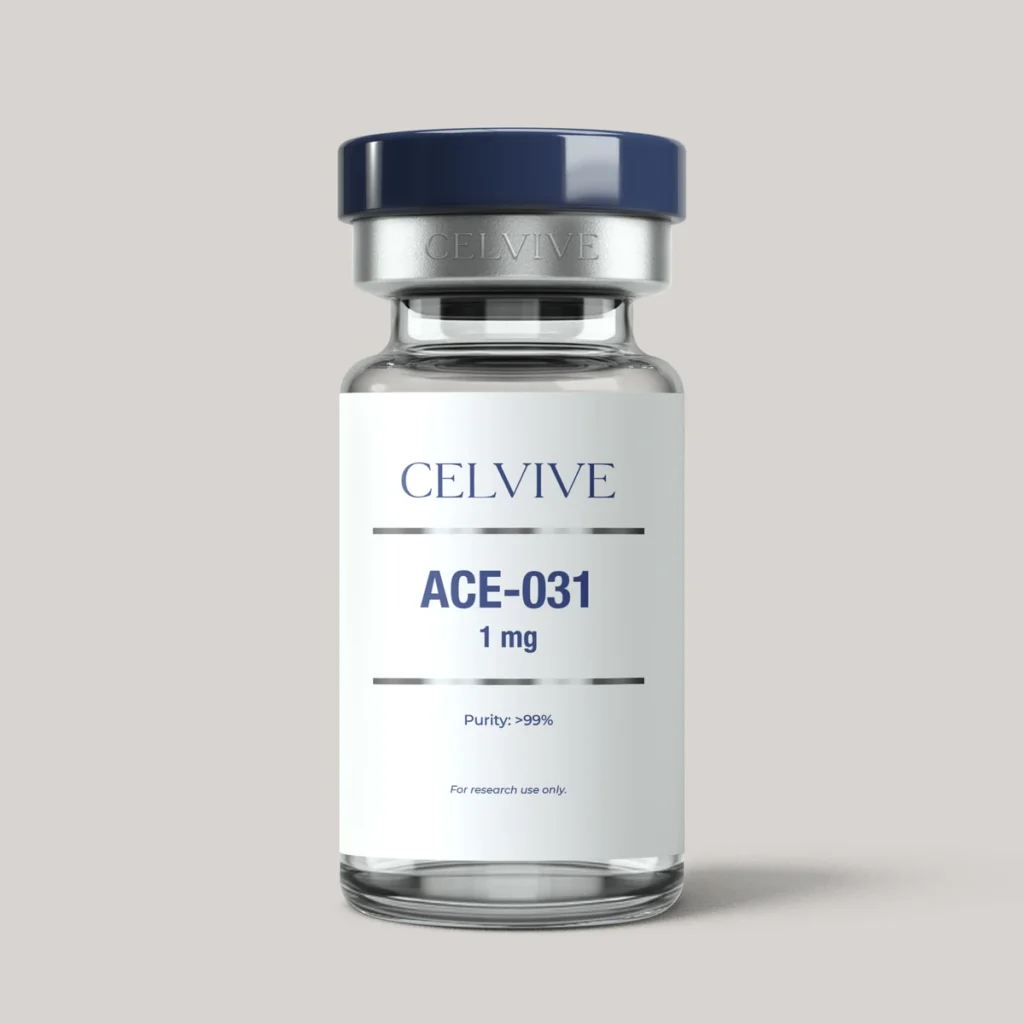
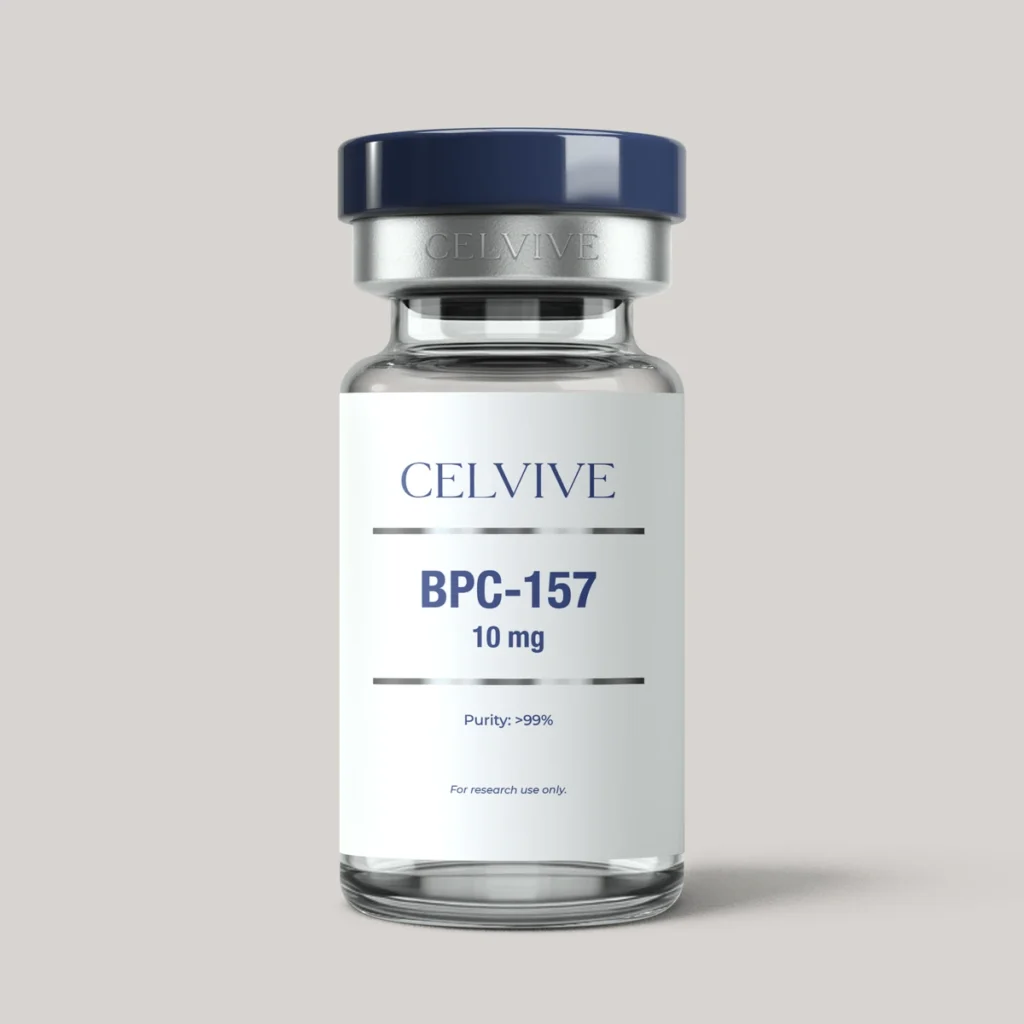
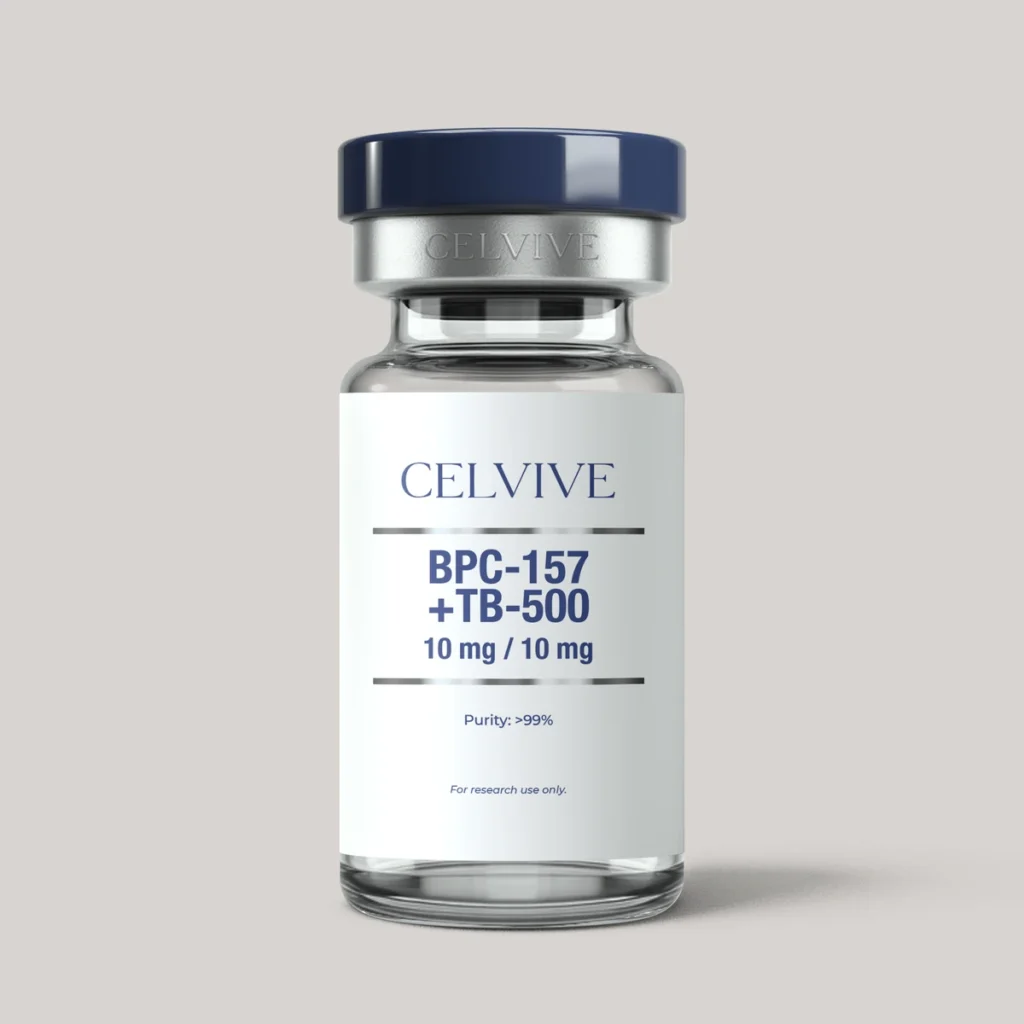
BPC-157
Gastric-derived pentadecapeptide used in tissue-repair research
10 mg vial · 10 mg pen
from € 40.00
View options
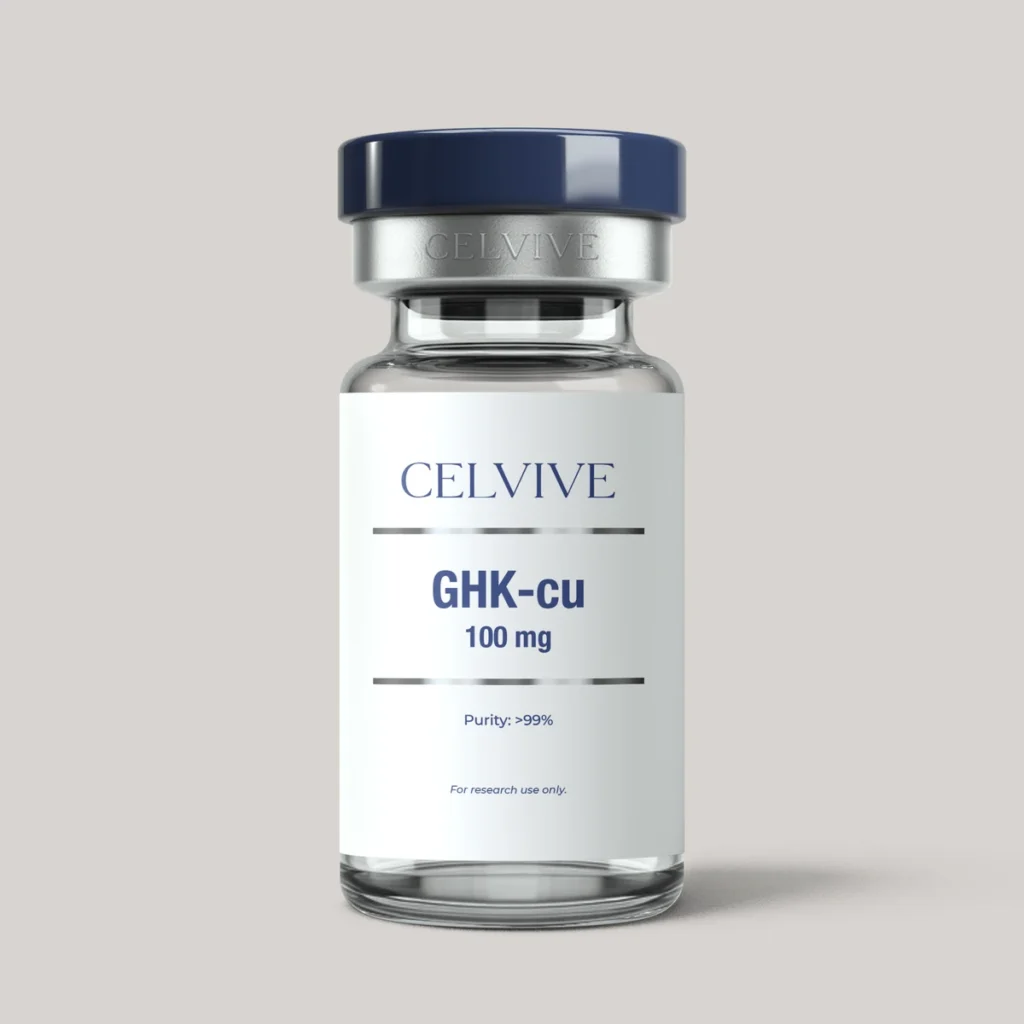
GHK-Cu
Copper tripeptide used in dermal and wound research
100 mg vial · 100 mg pen
from € 55.00
View options