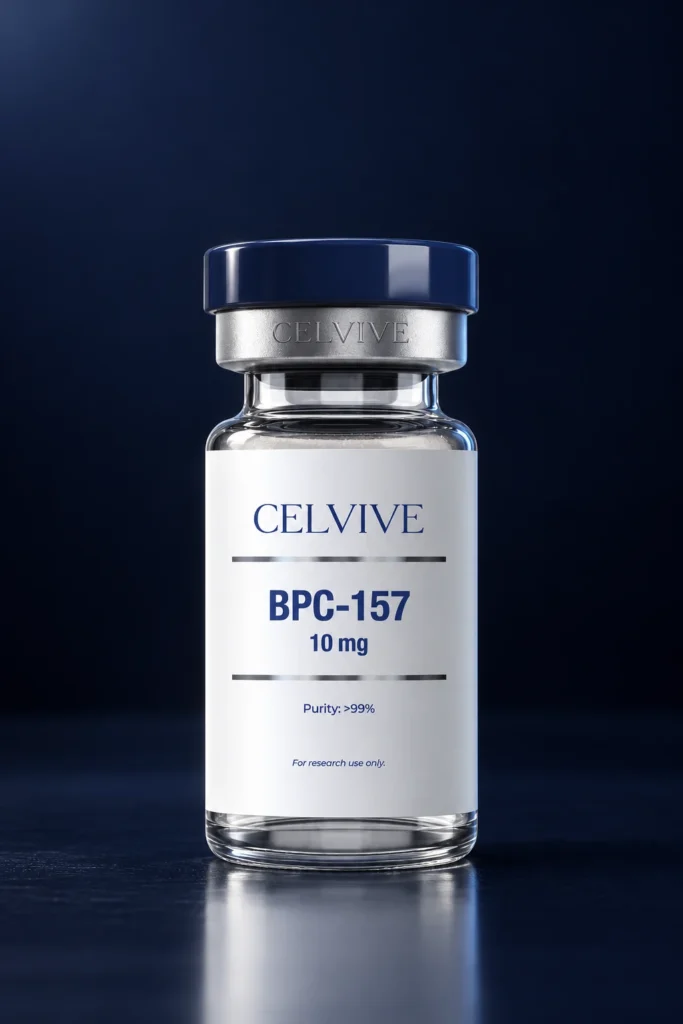
tripeptide
KPV
The C-terminal tripeptide of alpha-MSH, studied in inflammation models.
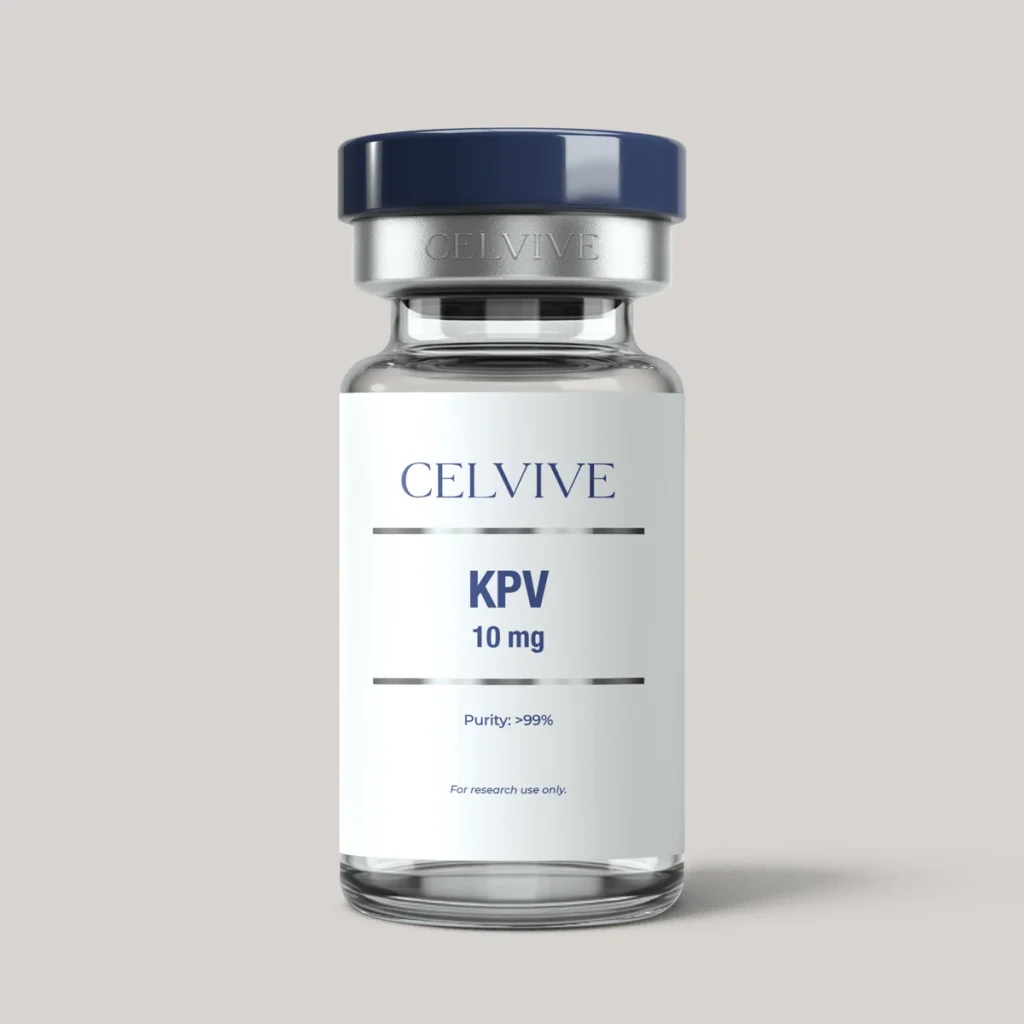
KPV · 10 mg · Lyophilised vial
tripeptide
KPV
The C-terminal tripeptide of alpha-MSH, studied in inflammation models.
€ 45.00per vial, EUR
In stock
Presentation1 option
What it is
KPV (Lys-Pro-Val) is the three-amino-acid C-terminal fragment of alpha-melanocyte-stimulating hormone. It retains the anti-inflammatory activity of the parent hormone without its pigmentation effects in research models.
Where it has been studied
- Colitis and intestinal inflammation models
- NF-kappa-B signalling in cell culture
- Skin inflammation studies
Selected literature
- Melanocortin-derived tripeptide KPV has anti-inflammatory potential in murine models of inflammatory bowel diseaseKannengiesser K et al. · Inflamm Bowel Dis, 2008 · PMID 18092346
- Effects of the COOH-terminal tripeptide alpha-MSH(11-13) on corneal epithelial wound healing: role of nitric oxideBonfiglio V et al. · Exp Eye Res, 2006 · PMID 16965771
- Terminal signal: anti-inflammatory effects of α-melanocyte-stimulating hormone related peptides beyond the pharmacophoreBrzoska T et al. · Adv Exp Med Biol, 2010 · PMID 21222263
PubMed records selected for relevance to the compound. They describe published research, not outcomes or uses.
Specifications
| Compound | KPV |
|---|---|
| Type | Tripeptide |
| Selected presentation | 10 mg · Lyophilised vial |
| Form | Lyophilised powder in a sealed glass vial |
| Fill volume and concentration | Not applicable (lyophilised) |
| Label | CELVIVE wordmark, compound name, amount, "Purity: >99%", "For research use only" |
| Storage | -20 °C for long-term storage; 2 to 8 °C for under three months; away from light |
| Certificate of analysis | Not yet published online. Request for a batch |
| Research areas | Recovery & tissue research, Immune & signalling |
| All presentations | 10 mg lyophilised vial · € 45.00 |
Handling
- Lyophilised peptides tolerate room temperature for several weeks in transit. Move to cold storage on receipt.
- Reconstituted vials are typically used within three to four weeks at 2 to 8 °C; stability varies by compound.
- Opened or unsealed vials cannot be returned. Transit damage must be documented within 24 hours.
Same research area
Related compounds
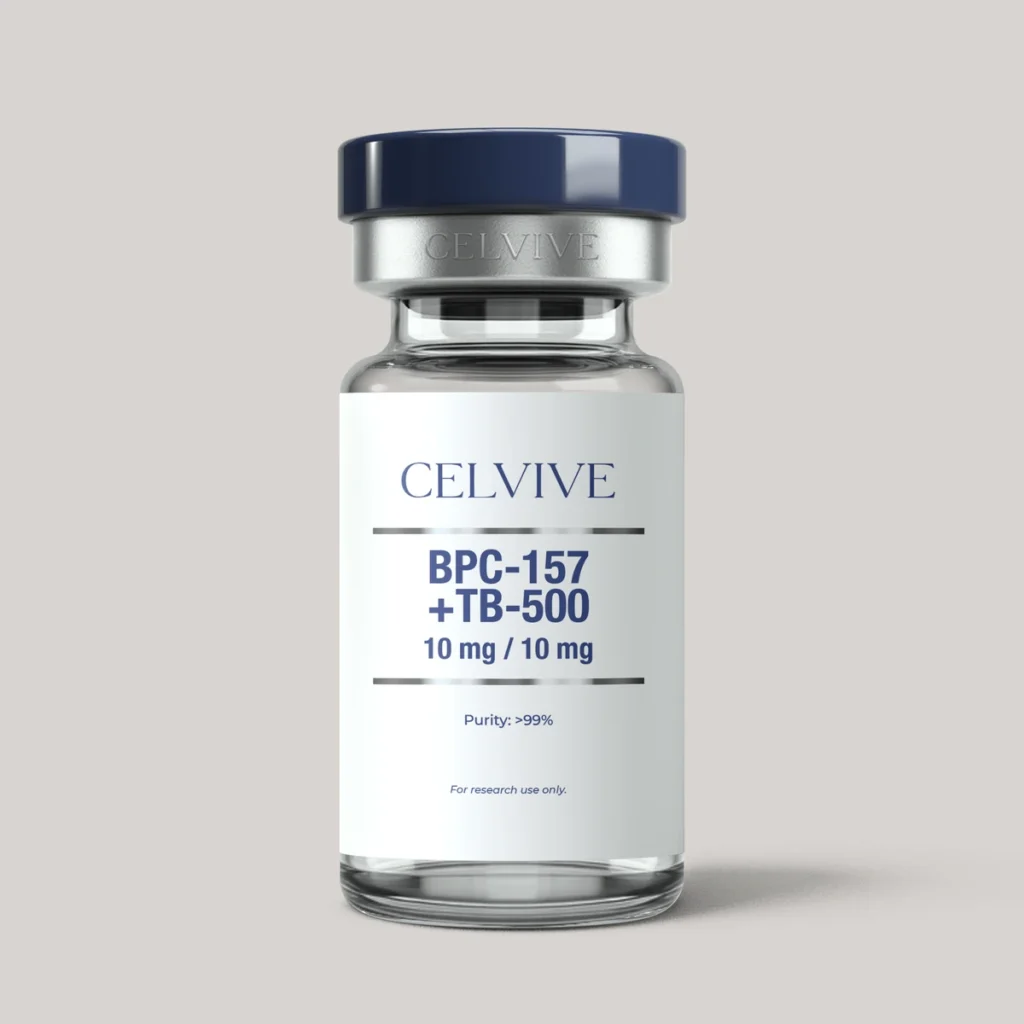
BPC-157
Gastric-derived pentadecapeptide used in tissue-repair research
10 mg vial · 10 mg pen
from € 40.00
View options
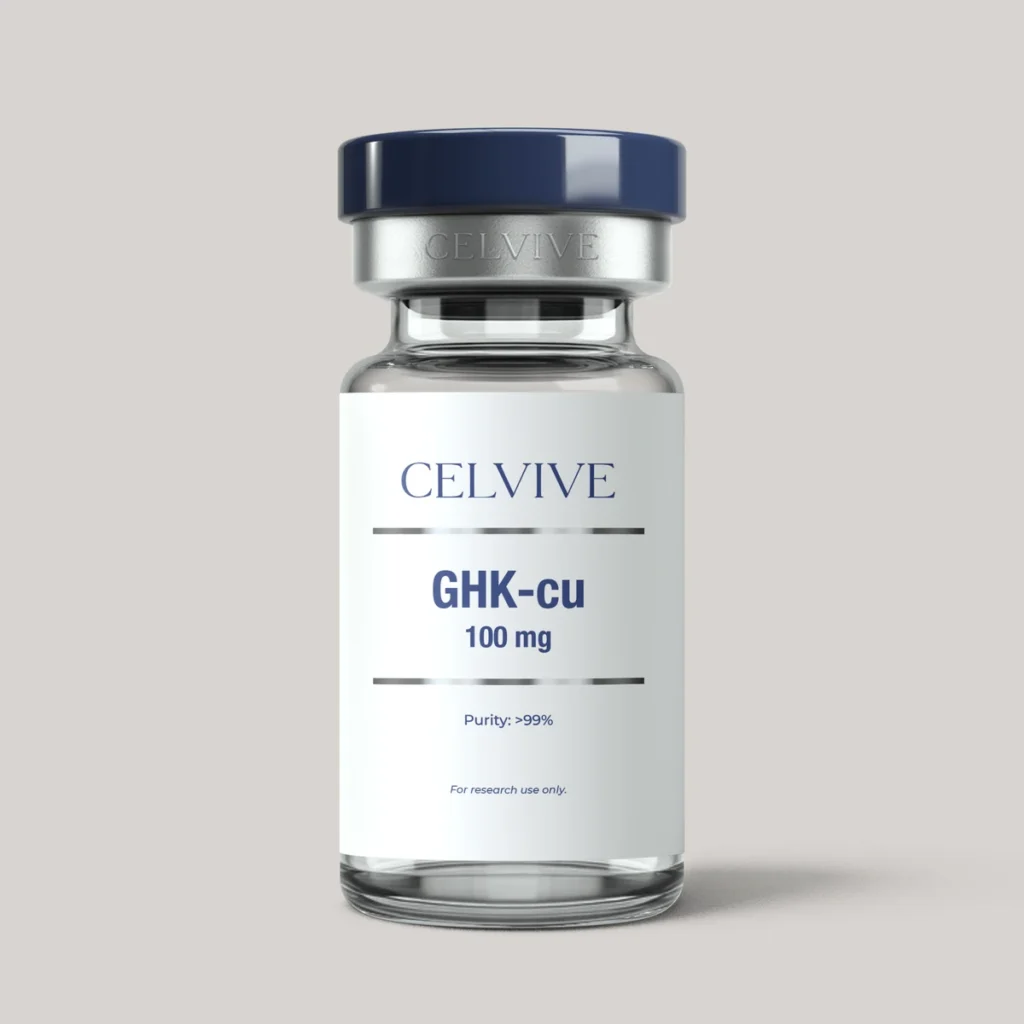
GHK-Cu
Copper tripeptide used in dermal and wound research
100 mg vial · 100 mg pen
from € 55.00
View options