- Home
- Catalog
- Recovery & tissue research
- BPC-157 + TB-500 QuickPen
peptide
BPC-157 + TB-500 QuickPen
BPC-157 and TB-500 combined in one pre-filled QuickPen for combined-protocol research.
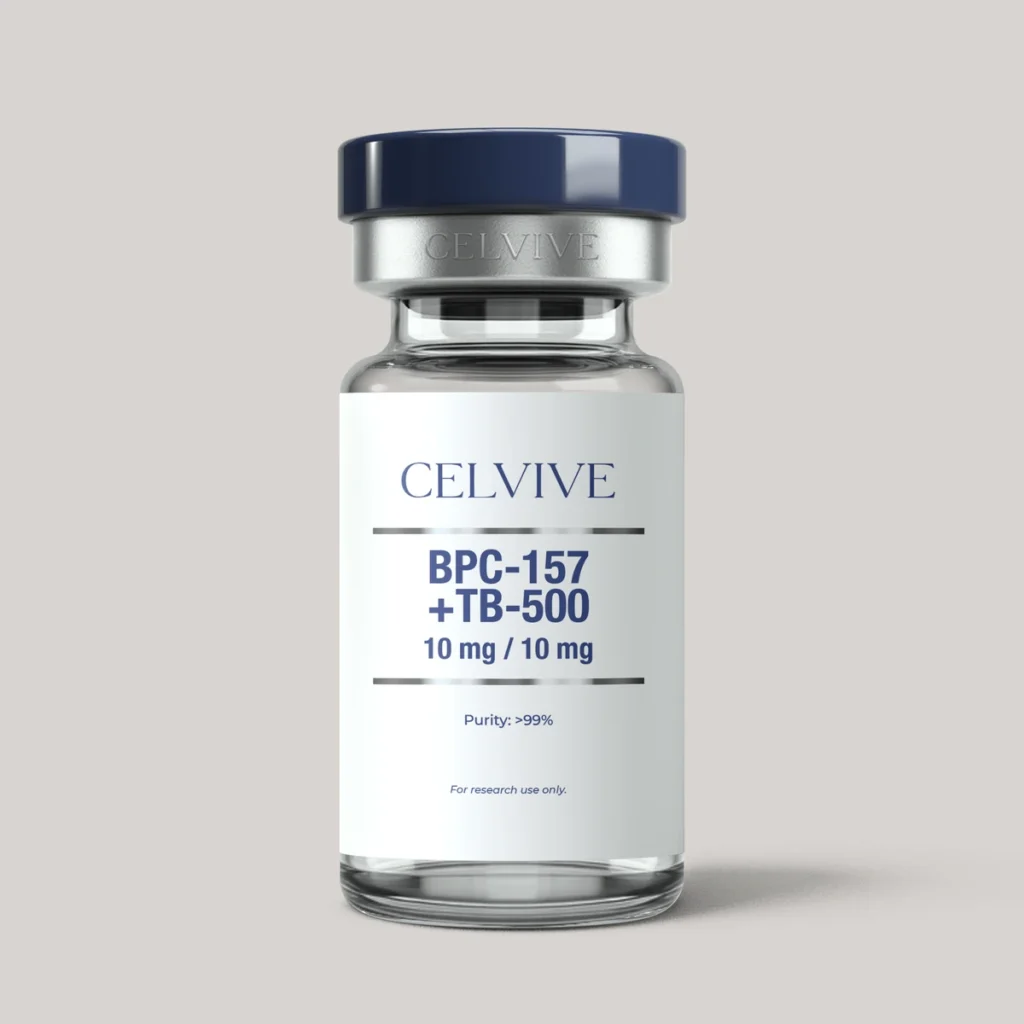
BPC-157 + TB-500 QuickPen · 20 mg (10 + 10) · QuickPen
peptide
BPC-157 + TB-500 QuickPen
BPC-157 and TB-500 combined in one pre-filled QuickPen for combined-protocol research.
In stock
What the BPC-157 + TB-500 QuickPen is
The BPC-157 + TB-500 QuickPen combines two research peptides in a single pre-filled pen: BPC-157, a 15-amino-acid fragment of a gastric protein, and TB-500, a synthetic peptide based on thymosin beta-4. They are often used together in tissue-repair models.
The same blend is available as a lyophilised vial (10 mg of each peptide) on the BPC-157 + TB-500 page. Celvive supplies it for laboratory research only.
Where BPC-157 + TB-500 has been studied
Each peptide has its own literature, and a smaller number of studies look at them together. The main themes are:
- Tendon and ligament models: including a 2026 rat Achilles tendon study of both peptides.
- Cell migration: fibroblast outgrowth for BPC-157 and actin regulation for TB-500.
- Angiogenesis and wound repair: studied separately for each compound.
Limits of the evidence
Combination data are limited and preclinical. Neither peptide is approved as a medicine by the EMA or the FDA.
Working with the QuickPen in the lab
The QuickPen is a pre-filled presentation; its fill volume and concentration are not yet published on the product label, so confirm the batch details on your certificate before planning an experiment. Storage and stability guidance is in the FAQ, and a batch certificate can be requested on the certificates of analysis page.
The peptides are also available as single QuickPens, BPC-157 and TB-500, or as vials of BPC-157 and TB-500. Browse Recovery and tissue research.
BPC-157 + TB-500 QuickPen research FAQ
How does the QuickPen differ from the blend vial?
The vial holds 10 mg of each peptide as lyophilised powder for reconstitution. The QuickPen is pre-filled; check the label and your batch certificate for its amount per pen and concentration.
Why use a blend rather than two pens?
A blend gives a fixed ratio in one presentation. Separate pens let the two peptides be used independently.
Is it an approved medicine?
No. It is a research reagent for laboratory use only.
Selected literature
- Effects of BPC-157 and TB-500 on Achilles tendon healing in rats: A histopathological and biomechanical studyBiçer O et al. · Jt Dis Relat Surg, 2026 · PMID 42542926
- The promoting effect of pentadecapeptide BPC 157 on tendon healing involves tendon outgrowth, cell survival, and cell migrationChang CH et al. · J Appl Physiol, 2011 · PMID 21030672
- Thymosin beta4: actin-sequestering protein moonlights to repair injured tissuesGoldstein AL et al. · Trends Mol Med, 2005 · PMID 16099219
PubMed records selected for relevance to the compound. They describe published research, not outcomes or uses.
Specifications
| Compound | BPC-157 + TB-500 |
|---|---|
| Type | Peptide |
| Selected presentation | 20 mg (10 + 10) · QuickPen |
| Form | Pre-filled QuickPen |
| Fill volume and concentration | Not yet published |
| Label | CELVIVE wordmark, compound name, amount |
| Storage | Not published for the QuickPen format |
| Certificate of analysis | View COA · Download PDFNot yet published online. Request for a batch |
| Research areas | Recovery & tissue research |
| All presentations | 20 mg (10 + 10) QuickPen · € 95.00 |
Handling
- Fill volume, concentration and storage conditions for the QuickPen format have not been published by Celvive. Confirm them with support before ordering for a protocol.
- Opened or unsealed products cannot be returned. Transit damage must be documented within 24 hours.
Same research area
Related compounds
BPC-157
Gastric-derived pentadecapeptide used in tissue-repair research
10 mg vial · 10 mg pen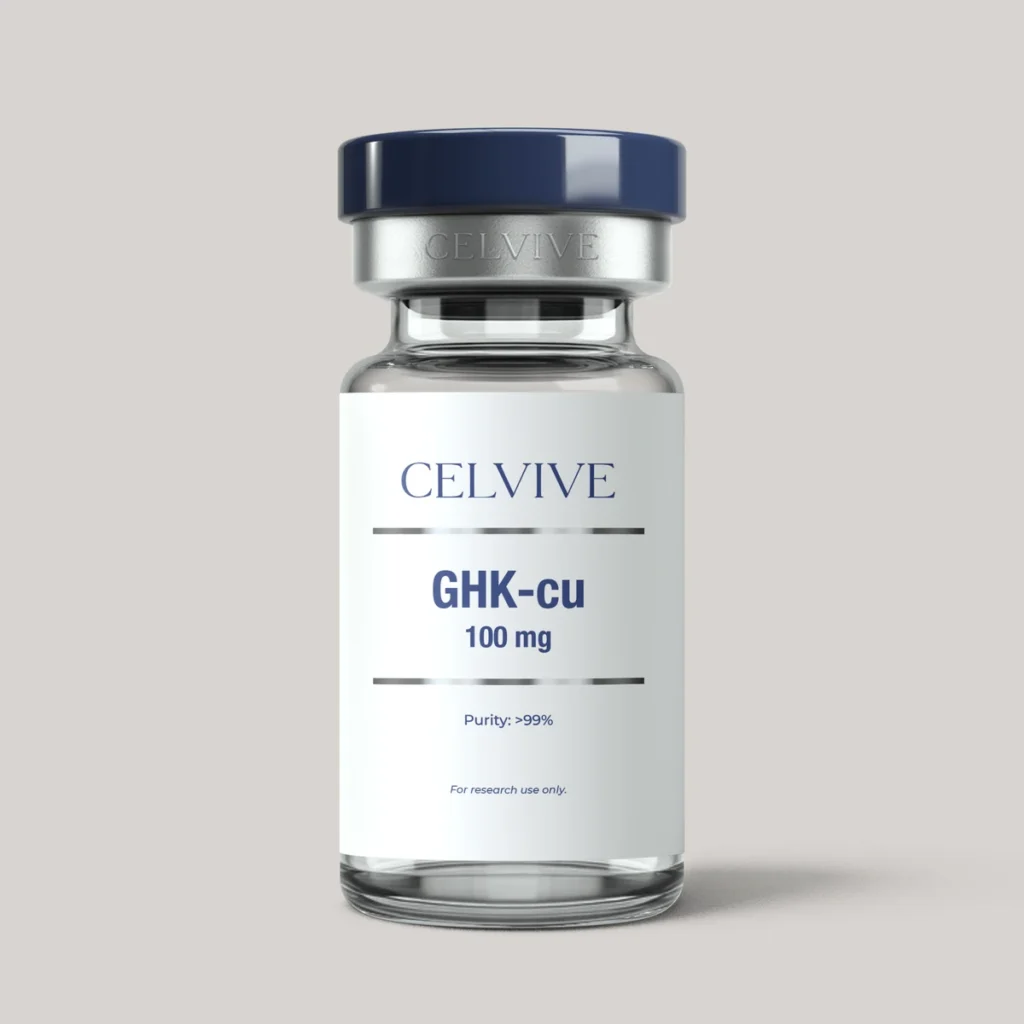
GHK-Cu
Copper tripeptide used in dermal and wound research
100 mg vial · 100 mg pen